Can NNPC’s ‘War Mode’ Save Nigeria’s Struggling Oil Sector?
In its 2023 Sustainability Report released in March, Shell reported that 139 of the 140 spills it recorded due to sabotage last year occurred in Nigeria.

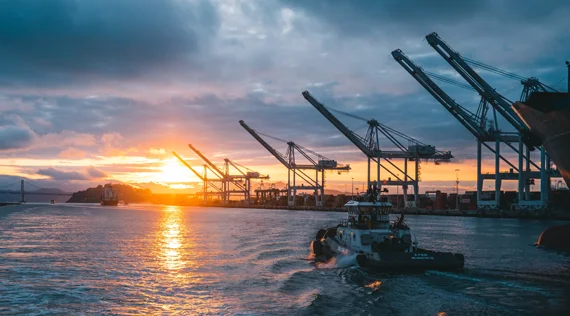
SEATTLE (Scrap Monster): The Nigerian National Petroleum Company (NNPC) has called a state of emergency on plummeting crude oil production, but experts say until thieves are punished, nothing will happen.
NNPC, which holds significant stakes in the assets that drive the bulk of Nigeria’s production, announced last week that it would wage war on the issues that have kept oil output low for years.
“We have decided to stop the debate. We have declared war on the challenges affecting our crude oil production. War means war. We have the right tools. We know what to fight. We know what we have to do at the asset level. We have engaged our partners, and we will work together to improve the situation,” Mele Kyari, NNPC’s group chief executive, said at an industry event in Abuja.
He added that the “war” would help the company and its partners quickly clear all identified obstacles to effective and efficient production, including delays in procurement processes. A rig-sharing programme will be introduced to ensure that production rigs remain in the country for four to five years.
Why is the sector underinvested?
Africa’s biggest oil producer has long grappled with underinvestment and production outages caused by theft and pipeline vandalism. These issues have repeatedly cost Nigeria its top spot among African oil producers.
The country pumped 1.25m barrels per day (bpd) of crude oil in May, down from 1.42m bpd in January, according to the National Upstream Petroleum Regulatory Commission. This is a far cry from the 2.5m bpd it achieved in 2010.
The oil sector, the backbone of Nigeria’s economy, saw growth plunge to 6.41% in the first quarter of this year from 12.11% in the previous quarter. Foreign investment dropped to zero from $2.04m, according to the National Bureau of Statistics.
A growing number of international oil companies are selling their assets most affected by these challenges. Shell announced in January that it had agreed to sell its Nigerian onshore subsidiary, Shell Petroleum Development Company of Nigeria, to Renaissance, a consortium of five companies. ExxonMobil is selling Mobil Production Unlimited Nigeria to Seplat Energy, while Eni is offloading its stake in Nigerian Agip Oil Company to Oando.
Ayodele Oni, an energy expert and partner at Lagos-based commercial law firm Bloomfield LP, said the state of emergency declaration was inevitable given the ongoing decline in crude oil production and the failure to meet OPEC quotas.
“The first and most pressing need is to address security concerns by enhancing measures. Additionally, investments in modern and efficient infrastructure, such as oil production facilities and pipelines, would serve as a catalyst,” Oni tells The Africa Report.
He added that the government needs to address environmental concerns and invest in cleaner technologies to mitigate the impact of oil production. “This would attract the much-needed investment required to boost oil production.”
Punishing oil thieves and pipeline vandals
In March, NNPC sought the help of the Economic and Financial Crimes Commission to combat crude oil theft and pipeline vandalism. Kyari described oil theft as a significant challenge, noting that the company had disconnected up to 4,846 out of 5,543 illegal pipes connected to its pipelines.
“No one would produce crude oil knowing fully well that it is not going to get to the terminal. That is why nobody is putting money into the business. So, you can’t grow production,” he says.
In its 2023 Sustainability Report released in March, Shell reported that 139 of the 140 spills it recorded due to sabotage last year occurred in Nigeria. The volume of spills increased to 1,400 tonnes from 600 tonnes in 2022.
“Most oil spills in the Niger Delta are caused by crude oil theft, sabotage of oil and gas production facilities, and illegal oil refining,” Shell said. “Daily surveillance flights monitor the most vulnerable segments of the pipeline network to identify any new spills or illegal activity.”
Shell’s Nigerian subsidiary, SPDC, has introduced anti-theft protection mechanisms for key infrastructure, including steel cages to protect wellheads. In 2023, 60 new steel cages were installed around critical infrastructure nodes, bringing the total to 374.
“This includes 52 cages upgraded with CCTV and 28 with satellite communications. In 2023, out of 508 registered attempts to breach the cages, 38 were successful,” Shell reported.
Wumi Iledare, a former president of the Nigerian Association of Energy Economics, said the government must punish those vandalising assets and stealing oil to curb the menace.
Courtesy: www.theafricareport.com
Track the prices behind the story
Daily prices for 281 crude grades, Brent–Dubai spreads, history back to 2009 and Excel downloads.